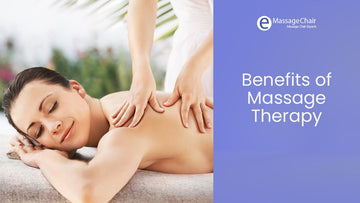
Science has proven that massage benefits are vast in their reach and healing abilities. Extensive research explains that there are three main principles to understand how we benefit from massage therapy. These studies have shown that massage helps to promote flexibility and cut down on tension, increase blood flow and improve lymphatic flow, and raise the levels of endorphins in the body. These three major benefits have a ripple effect on several other systems in the body. The Massage Chair Experts take a closer look at these three major benefits of massage therapy along with 16 additional benefits proven by studies and research.
Table of Contents
Massage Raises Endorphin Levels
Some professionals in the wellness field believe that the rise in endorphin levels to be the most favorable benefit of massage therapy. Considering the endorphins role in the body as being the feel good compounds, there is no doubt why people rave about this major positive effect. Research has also proved that increases in endorphin levels have been associated with a reduction in pain, a decrease in anxiety, and a faster healing process.
Massage Increases Lymphatic Flow and Boosts Blood Flow
Applying massage to the muscles helps improve both blood flow and lymphatic flow. Increased blood flow assists the body with transportation and absorption of nutrients more efficiently while increasing oxygen levels to the muscles. Massage therapy also increases the lymphatic flow which helps to dissolve and reduce toxins while allowing the massaged area to feel more refreshed.
Massage Helps Promote Flexibility and Cust Down on Tension
A benefit of massage therapy also helps to promote flexibility while reducing tension. Basic massage therapy, even in the form of stretching and mild kneading, helps muscles loosen and become more relaxed. This also makes them more flexible and relieves muscle tension. Reducing tension can make you feel more relaxed and also helps to relieve stress.
16 Different Benefits of Massage Therapy
Below we take a more in-depth look at 16 Different Benefits of Massage Therapy. These benefits have been put together by a Rehabilitation specialist and Shoppers that visit Emassagechair. Both have been kind enough to give their personal stories and have helped us add more and more situations where massage therapy has proven benefits. Click on the links below to explore your curiosity and learn more!
Provides Stress Relief
As stress accumulates in the body, there are key regions in which more tension is being held. Massage of the fine muscles located within the suboccipital region of the skull, and the upper fibers of the trapezius muscle, can help release built up tension, providing a stress relieving alternative to aspirin and other pharmaceuticals.
Helps with Managing Anxiety and Depression
Cortisol is the response of the body to stress, and studies have shown that massage therapy lowers it by as much as 50%. At the same time, massage also can increase the levels of serotonin and dopamine. Both of these Neurotransmitters have effect on your mood and an increase of both will result in a better mood reducing depression.
Aids in Pain Relief
Back pain can be almost unbearable after a long day at work. Muscles, bones, and other soft tissues that have been working overtime trigger pain receptors. These receptors then send a signal to the brain, indicating that there is a pain in the back region. Massage can provide great relief to these structures in the back, which will eliminate the need for the pain receptors to communicate with the brain, leading to a decrease in back pain.
Helps Relieve Stiffness
Joint and muscle stiffness is an issue that can be extremely uncomfortable, and severely hamper your ability to perform routine ADL (Activities of Daily Living). There are many reasons for joint and muscle stiffness. However, the primary cause is a lack of movement. Massage promotes lubricating membranes within the joint to release synovial fluid, which allows the articulating bones to move freely over each other with reduced friction and pain. Furthermore, built up scar tissue on and around the muscles can be decreased when the correct pressure is applied to the affected area. Massage helps to free any scar tissue, or connective tissue adhesions that may be contributing to muscle stiffness.
Promotes Endorphin Release
As the bodies natural reward system, endorphins are neurotransmitters that are released when an individual has feelings of pleasure or euphoria. Released by the brain, endorphins can also act as the bodies natural pain killers and have also been associated with improved memory and learning. Often referred to as the runners high, many different activities can stimulate the release of endorphins. Your body and mind are rewarded through massage.
Helps with Blood Pressure Control
Cardiovascular health and efficient circulation are two things that can help aid in blood pressure control. Massage benefits the circulatory system by increasing oxygen and nutrient delivery to the cells, therefore reducing the amount of pressure needed to maintain efficient delivery. Because the heart does not have to work so hard to generate pressure for oxygen and nutrient delivery, the entire cardiovascular system reaps the benefits of massage. Furthermore, the Zero Gravity position offered by some companies is yet another way to reduce overall blood pressure and increase cardiovascular health.
Helps Speed Up Recovery from Sports Releated Injuries
Sports and injuries go hand-in-hand, and the sport or activity that was the cause of injury can vary greatly. However, the types of injuries that are sustained during these sports and activities are primarily the same; which means that treatment protocols are similar as well. Massage therapy assists in recovery in countless ways and can be a great adjunct to physical therapy or rehabilitation program. In fact, most physical therapy programs consist of some deep tissue massage, active release technique, acupressure or soft tissue mobilization which is all various forms of massage.
Boosts Immunity bu Enhancing the Lymph Flow and the Natural Defense of the Body
As metabolic byproducts, toxins and cellular waste accumulate within the interstitial fluid. What is not taken back up into the bloodstream is left for the lymphatic system to absorb. The lymphatic system is a system of vessels that are located throughout the body everywhere blood vessels are located. This acts as a secondary waste removal system for the unwanted trash of the body. Acting as a press or rolling pin, massage therapy can help push interstitial fluid into the lymphatic vessels and promote the absorption of cellular debris. Once absorbed into the lymphatic system, white blood cells can attack and kill foreign invaders, and interstitial fluid can be filtered back into the circulatory system, therefore enhancing immunity.
Pumps Oxygen and Nutrients into Tissues and Vital Organs with Improved Circulation
As a part of the cardiovascular system, arterial blood (oxygenated blood) is delivered to the cells and tissues of the body by a high-pressure distribution system of arteries and capillaries. Proteins, hormones, and other essential nutrients for life are also distributed in this manner. While the heart provides adequate pressure for the delivery of these components, massage can increase the efficiency at which they are delivered and absorbed. Cardiovascular health can also be improved by reducing the amount of pressure required by the heart while maintaining the same content delivery rate. Furthermore, cardiovascular health can be improved with a massage by maintaining vascular health. Arterial blood vessels are very elastic, which helps aid in oxygen and nutrient delivery. Atherosclerosis is a hardening of the arteries, which reduces the elasticity of the blood vessel, therefore decreasing the efficiency of the oxygen and nutrient delivery.
Aids in Cancer Treatement
The battle with cancer is a fight that no person should have to face. However, when cancer does appear, it is best to fight back with a strong team. A team can include everyone from family members and friends to doctors, therapists, and secretaries. While a reliable cure is still yet to be found, there are a variety of different methods that are used to combat the spread and metastasis of tumors and cancer. With all of the treatment methods that are available, the benefits of massage have been found time and again to produce positive results, and help patients fight the battle. Massage has helped patients in some ways by improving overall circulation, relaxing tight muscles, relieving anxiety, and reducing the need for prescription medications. Patients have also seen their mood improve and overall attitude becomes more positive due to the increase in endorphins when using a massage. While many treatments can leave a patient unable to leave the house, a massage chair can be a great tool to help fight the battle versus cancer. If you have cancer, talk to your Doctor first before applying any massage therapy.
Promotes Detoxification Process
Another part of the cardiovascular system, the venous blood (deoxygenated blood) is returned to the heart by a low-pressure collecting system of veins and capillaries. The cells and tissues of the body produce metabolic waste such as carbon dioxide, acids, and free radicals that need to be removed from the area, and put back into recirculation. Because the heart provides very little pressure for venous blood return, veins are equipped with a particular set of valves that act as fluid locks to return blood to the heart. As metabolic waste is collected by the veins and capillaries, massage can help stimulate the skeletal muscle pump, which directly aids in pushing blood back to the heart by utilizing the veins system of valves. Also, the pressure in critical regions can help to increase metabolic waste absorption by the veins and capillaries, as well as the lymphatic system. Massage promotes the detoxification process by increasing the amount of waste removal from the tissues and increasing vascular health and efficiency.
Helps Ease Medication Dependence
Prescription drugs and medications play a huge role in common American medicine. These days, it is common practice to give a patient a prescription or medication to help resolve a problem that can usually be fixed by lifestyle modifications. Blood pressure drugs, cholesterol medications, and painkillers are three of the most popular drugs that are prescribed today. As an alternative to the doctor prescribed medications, many individuals have turned to a technique that has been used for thousands of years. While massage may not help cure every single ailment, it has been shown to provide adequate improvements to many of the same issues that are usually addressed by medications. For example, high blood pressure can be improved by massaging the lower extremities, increasing the blood flow back to the heart, and increasing the overall circulation of the body. Individuals who complain of headaches or depression have used massage to help decrease the amount of tightness or muscle tension in specific areas, which reduces the pain or discomfort that is associated. And levels of endorphins such as serotonin and dopamine can be altered, helping one decrease depression, and increase optimism. These are just a few ways in which massage has helped reduce the use and dependence of medications.
Helps Exercise and Stretch Weak, Tight, and Atrohphied Muscles
The benefits of massage on muscle tissue could be an entire book in itself! The day to day rigors that muscle tissue must endure creates small tears, or microtrauma within the tissue and the thin connective tissue sheath. As the tissue heals, Type II collagen, or scar tissue is used to help repair and regenerate the affected tissue. Intense exercise and injuries are the two most common ways of developing an accumulation of scar tissue. When an individual has an abundance of scar tissue and is unable to stretch, massage acts as a great method for freeing up scar tissue and increasing movement and flexibility. This is especially important for those individuals who are sedentary and do not participate in a stretching routine. Muscle tissue is benefited the most from massage and is a primary component in some other massage benefits that I have mentioned. Weak, tight, or atrophied muscles are constantly in need of increased circulation. Massage helps facilitate the movement of blood, nutrients, and fluids into, and out of the muscle cells. Also, massage can help with the removal of metabolic waste within the muscle cells enhancing recovery and improving flexibility.
Helps Reduce Post Surgery Adhesions and Swelling
Surgical procedures are never enjoyable, and neither is the rehabilitation that follows. Help ease the stress of hospital beds, visitation hours and medical bills by introducing the benefits of massage into your home. Both swelling and edema can have adverse effects on the healing process, and also indicate that the area needs to be addressed. Massage helps to reduce swelling by pushing interstitial fluid back into circulation for transport and contributes to carrying oxygen and nutrients to the healing site. Secondly, the tissue that is healing must also be stretched and mobilized to prevent scar tissue from binding to surrounding muscles and other soft tissue. Massage can help by continuously providing mobilization of the affected area to reduce adhesions, as well as assist with oxygen and nutrient delivery to the cell which has been restricted due to immobilization.
Promotes an Increase Joint Flexibility
Flexibility is a key component in keeping your body healthy. Synovial joints, or freely moving joints, are bone to bone connections that allow our body to manipulate itself in a variety of different ways. There are many options to choose from when addressing joint health and flexibility; however, massage can provide benefits that other techniques may not. Most of the largest and most freely moving joints are synovial joints like the knee, hip, and shoulder. Massage can help stimulate the production of synovial fluid, especially in weight-bearing joints, by allowing the joint capsules to be relieved of the everyday stresses of work. With no weight being carried, the action of massage creates very subtle joint manipulations which cause the synovial membrane to secrete more synovial fluid for increased joint health.
Helps Relieve Migraine Pain
While the exact reasons why migraine headaches occur are still not fully understood, it is believed to be caused by a neurovascular disorder that is associated with both environmental and genetic factors. The treatment and medications that are available are relatively generic such as ibuprofen and acetaminophen. Massage Therapy has also been proven to be an effective way to help treat migraine pain. Massage can be utilized in a way that reduces the amount of physiological stress or triggers that are associated with migraine headaches. As mentioned previously, some common physiological triggers can be as simple as stress, hunger, fatigue, and hormonal influence, which also contribute to tension headaches. By minimizing some of the environmental factors, massage therapy can help reduce the onset of symptoms, therefore limiting the frequency of migraines overall. Although we can not modify our genetic code; Massage is a comfortable, non-invasive alternative to pharmaceutical medications and other expensive therapies or treatments.